Engineering Decisions: Code Reviews That Actually Improve Systems
Introduction:
Code reviews are often treated as a quality gate. Catch bugs, enforce style, approve changes, move on. When done this way, reviews become transactional — useful, but limited.
The best code reviews do something more important. They improve the system, not just the code being changed.
When reviews focus only on syntax or correctness, they miss the opportunity to shape design, reduce future risk, and build shared understanding across the team.
Code Reviews Are a Design Conversation:
Every change reflects a design choice, whether it’s intentional or not.
Good reviews surface these choices. They ask whether an approach fits existing patterns, whether boundaries are respected, and whether the change makes the system easier or harder to evolve.
This doesn’t require rewriting code in the review. It requires curiosity about why the change exists and how it fits.
Catching Bugs Is the Minimum Bar:
Finding bugs is important, but it’s the lowest-value outcome of a review.
Automated tests, linters, and static analysis already cover much of this ground. Human attention is better spent on things tools can’t judge easily — clarity, coupling, assumptions, and long-term impact.
When reviews focus only on bugs, they underuse the most valuable part of the process.
Reviews Should Reduce Future Cognitive Load:
Systems become harder to maintain when decisions are implicit.
Good reviews encourage clarity. They question unclear naming, complex logic, and hidden dependencies. They push for code that communicates intent, not just behavior.
Reducing cognitive load today saves far more time than fixing issues later.
Small Suggestions Compound Over Time:
Not every improvement needs to block a change.
Pointing out patterns, suggesting refactors, or flagging future risks helps teams converge toward better design gradually. Over time, these small nudges shape the system more than large, occasional rewrites.
The goal isn’t perfection in one review. It’s steady improvement.
Ownership Matters More Than Authority:
Effective reviews aren’t about asserting seniority.
The best reviewers approach changes with a sense of shared ownership. They ask questions instead of issuing commands. They explain trade-offs instead of enforcing preferences.
This builds trust and encourages healthier discussions about design.
Reviews Are a Knowledge-Sharing Tool:
Code reviews are one of the few places where engineers regularly see each other’s work.
Good reviews spread context. They expose teams to different parts of the system and different ways of thinking. Over time, this reduces silos and reliance on a few experts.
When reviews are rushed or superficial, this learning opportunity is lost.
When Reviews Hurt More Than They Help:
Code reviews become harmful when they focus on nitpicks, bikeshedding, or enforcing personal style.
Excessive comments slow teams down and drain motivation. Engineers start optimizing for approval rather than system quality.
At that point, reviews protect process, not outcomes.
Designing a Review Culture That Scales:
Healthy review cultures share a few traits:
- clear expectations about what reviews are for
- trust between reviewers and authors
- emphasis on system impact, not personal preference
- balance between speed and thoughtfulness
These traits don’t emerge automatically. They’re shaped intentionally.
Conclusion:
Code reviews are one of the most powerful levers teams have to improve systems over time.
When used well, they surface design issues early, reduce future complexity, and build shared understanding. When used poorly, they become a bottleneck and a source of frustration.
The difference isn’t in tools or templates. It’s in how teams choose to use the conversation.
Comments
Add Your Comment
Related Posts

Production Engineering: Technical Debt — When to Fix, When to Ignore
0 72
Engineering Decisions: What Makes Senior Engineers Valuable Beyond Code
0 81
Engineering Decisions: The Hidden Cost of Context Switching
0 86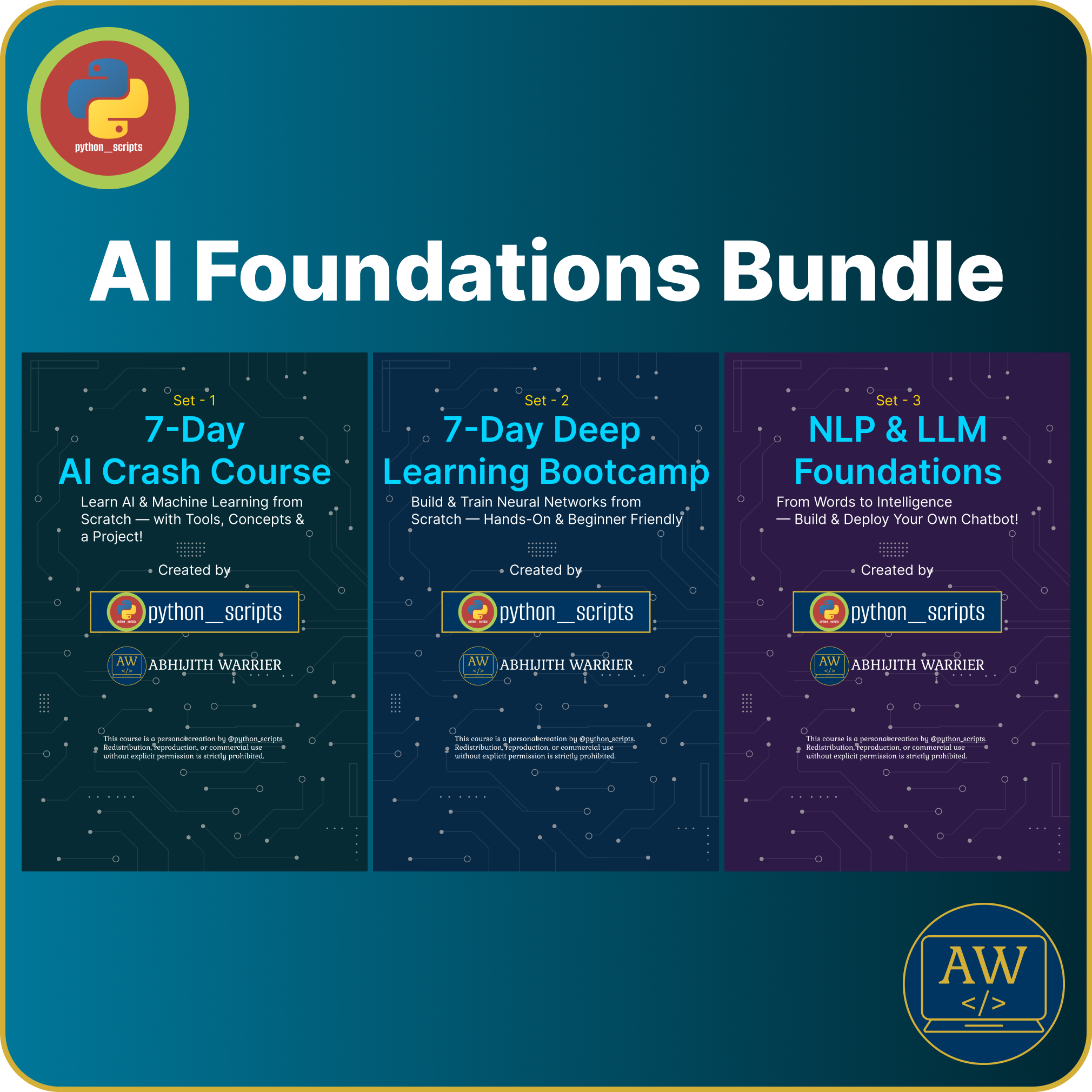
AI Foundations Bundle — From AI Basics to Deep Learning & NLP
Learn AI the right way — from core concepts to deep learning and language models, all in one structured bundle.
Ideal for beginners and developers who want a complete AI roadmap without confusion.
No comments yet. Be the first to comment!