Engineering Management Realities: Scaling Engineering Teams Without Slowing Down
Introduction:
Growing an engineering team feels like the obvious solution to increasing demand. More features, more customers, more systems — hire more engineers.
Yet many organisations discover a frustrating reality: as the team grows, velocity drops.
Meetings increase. Dependencies multiply. Decisions take longer. What once moved fast now feels heavy. Scaling engineering teams isn’t just about adding headcount — it’s about preventing coordination overhead from consuming momentum.
The real challenge isn’t hiring. It’s scaling without slowing down.
Communication Overhead Grows Exponentially:
In small teams, communication is informal and direct. Everyone knows what’s happening.
As teams expand, the number of communication paths increases dramatically. More engineers mean more potential coordination points. Without structure, clarity declines and alignment becomes harder.
Velocity slows not because people work less — but because more time is spent synchronising.
Undefined Ownership Creates Friction:
When responsibilities overlap, decisions stall.
Growing teams often struggle with unclear boundaries. Multiple engineers touch the same areas. Services lack explicit owners. Problems bounce between teams.
Clear ownership is not about control. It’s about reducing hesitation. When everyone knows who is responsible, work moves faster.
Architecture Must Support Team Boundaries:
System design directly influences team scalability.
Highly coupled architectures force cross-team coordination for small changes. Loosely defined service boundaries create hidden dependencies.
When architecture aligns with team structure — clear domains, well-defined interfaces — teams can move independently. When it doesn’t, growth increases friction instead of output.
Process Multiplies Quickly:
As teams grow, so do processes.
Code reviews take longer. Planning meetings expand. Approval chains grow. Documentation increases.
Process is necessary for coordination, but excessive process suffocates speed. Scaling requires deliberate restraint — adding structure only where it reduces risk meaningfully.
Onboarding Becomes a Scaling Constraint:
New engineers add potential output — but only after they understand the system.
If onboarding depends on tribal knowledge or undocumented patterns, ramp-up time increases dramatically. Senior engineers spend more time explaining than building.
Systems and documentation that are easy to navigate scale people more effectively than hiring alone.
Autonomy Must Increase With Size:
Counterintuitively, larger teams require more autonomy, not less.
Centralised decision-making slows everything. Teams waiting for approval become bottlenecks. Clear principles and guardrails allow teams to decide locally without sacrificing consistency.
Autonomy, when paired with alignment, preserves speed at scale.
Leadership Shifts From Execution to Enablement:
As teams grow, senior engineers and leads must change how they operate.
Direct contribution becomes less important than enabling others. Designing better workflows, clarifying direction, and resolving ambiguity creates more leverage than writing additional code.
Scaling teams successfully requires scaling leadership behaviour.
Metrics Should Reflect Flow, Not Activity:
Large teams can look productive while moving slowly.
Measuring tickets closed or lines of code written hides coordination cost. Instead, focus on lead time, deployment frequency, and recovery speed.
When flow slows, it’s often a signal that team scale is outpacing structural clarity.
Growth Should Be Intentional, Not Reactive:
Hiring in response to pressure often compounds the problem.
If underlying architecture, ownership, and process are unclear, adding engineers amplifies confusion. Scaling works best when structure evolves before headcount spikes.
Growth should reinforce clarity, not dilute it.
Conclusion:
Scaling engineering teams without slowing down requires more than hiring.
It demands clear ownership, aligned architecture, thoughtful process, and empowered decision-making. The systems that scale well technically often fail organisationally — and vice versa.
The goal isn’t simply to grow. It’s to grow while preserving clarity, autonomy, and momentum.
Comments
Add Your Comment
Related Posts
Engineering Decisions: Measuring Developer Productivity Without Vanity Metrics
0 11
Production Engineering: Postmortems That Actually Change Behaviour
0 23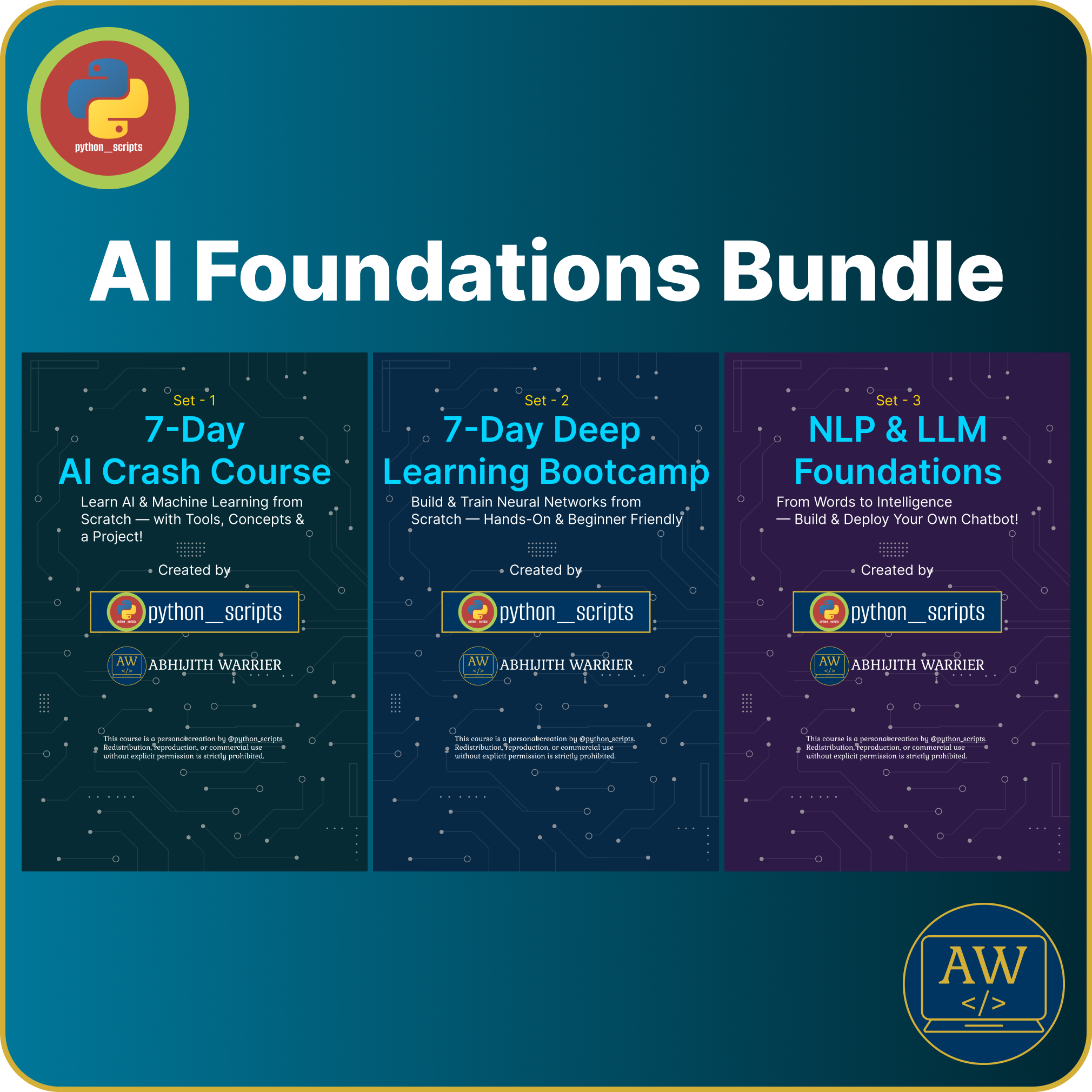
AI Foundations Bundle — From AI Basics to Deep Learning & NLP
Learn AI the right way — from core concepts to deep learning and language models, all in one structured bundle.
Ideal for beginners and developers who want a complete AI roadmap without confusion.
No comments yet. Be the first to comment!