Systems Realities: How Small Failures Turn Into Major Outages
Introduction:
Large outages rarely start with large failures.
Most incidents begin with something small — a delayed response, a misconfigured service, a retry loop, or a dependency behaving slightly differently than expected. On their own, these issues are manageable.
The problem begins when small failures interact with system complexity.
In distributed systems, minor issues can propagate, amplify, and cascade across services. What starts as a localised problem can quickly evolve into a full system outage.
Distributed Systems Amplify Small Issues:
Modern architectures rely on multiple interconnected services.
Each service depends on others for data, processing, or communication. When one component slows down or fails, dependent services experience delays or errors.
This creates a ripple effect. A single degraded service can impact multiple upstream and downstream systems.
Retries Can Make Things Worse:
Retries are designed to improve reliability.
When a request fails, systems attempt it again, assuming the issue is temporary. This works well under normal conditions.
However, during partial failures, retries can increase load on already struggling services. Instead of recovering, the system becomes overwhelmed, accelerating the failure.
Hidden Dependencies Surface Under Stress:
Not all dependencies are obvious.
Some exist through shared databases, authentication services, message queues, or third-party integrations. These dependencies may behave normally under typical load but become bottlenecks under stress.
Outages often reveal these hidden connections for the first time.
Latency Is Often the First Signal:
Failures don’t always begin with errors.
They often start with increased latency. Responses become slower, queues grow, and timeouts begin to occur.
If systems are not designed to handle slow responses gracefully, latency turns into failure, triggering retries, fallbacks, or cascading delays.
Failure Isolation Determines Impact:
Systems that isolate failures limit damage.
If services are tightly coupled, a failure in one component can bring down entire workflows. If boundaries are well-defined, failures remain contained.
Isolation mechanisms such as circuit breakers, bulkheads, and fallback strategies help prevent widespread impact.
Observability Gaps Delay Response:
Detecting a problem quickly is critical.
If monitoring systems lack visibility, teams may not notice early warning signs. By the time alerts trigger, the issue may have already spread.
Delayed detection increases recovery time and amplifies the impact of small failures.
Human Response Becomes Part of the System:
During incidents, people become part of the system.
Engineers diagnose issues, apply fixes, and coordinate recovery. If run-books are unclear or systems are difficult to understand, response slows down.
Confusion during incidents can turn manageable failures into prolonged outages.
Recovery Is Often Harder Than Failure:
Stopping the failure is only part of the challenge.
Systems may enter inconsistent states. Queues may be backed up. Retries may still be in progress. Traffic patterns may have shifted.
Recovering safely requires careful coordination to avoid triggering another wave of failures.
Conclusion:
Major outages are rarely caused by a single catastrophic event.
They emerge from small failures interacting with system complexity, weak isolation, hidden dependencies, and delayed response. Understanding how these failures propagate is key to building resilient systems.
The goal isn’t to eliminate small failures. It’s to prevent them from becoming big ones.
Enjoyed this post?
Stay in the loop
New posts + weekly digest, straight to your inbox.
Create a free account
- Save posts to your vault
- Like posts & build history
- New-post alerts
Comments
Add Your Comment
Related Posts
System Realities: The Hard Truth About Real-Time Systems
0 75
Systems Realities: The Hidden Complexity of Feature Flags
0 112
System Realities: The Cost of Ignoring Edge Cases in Distributed Systems
0 132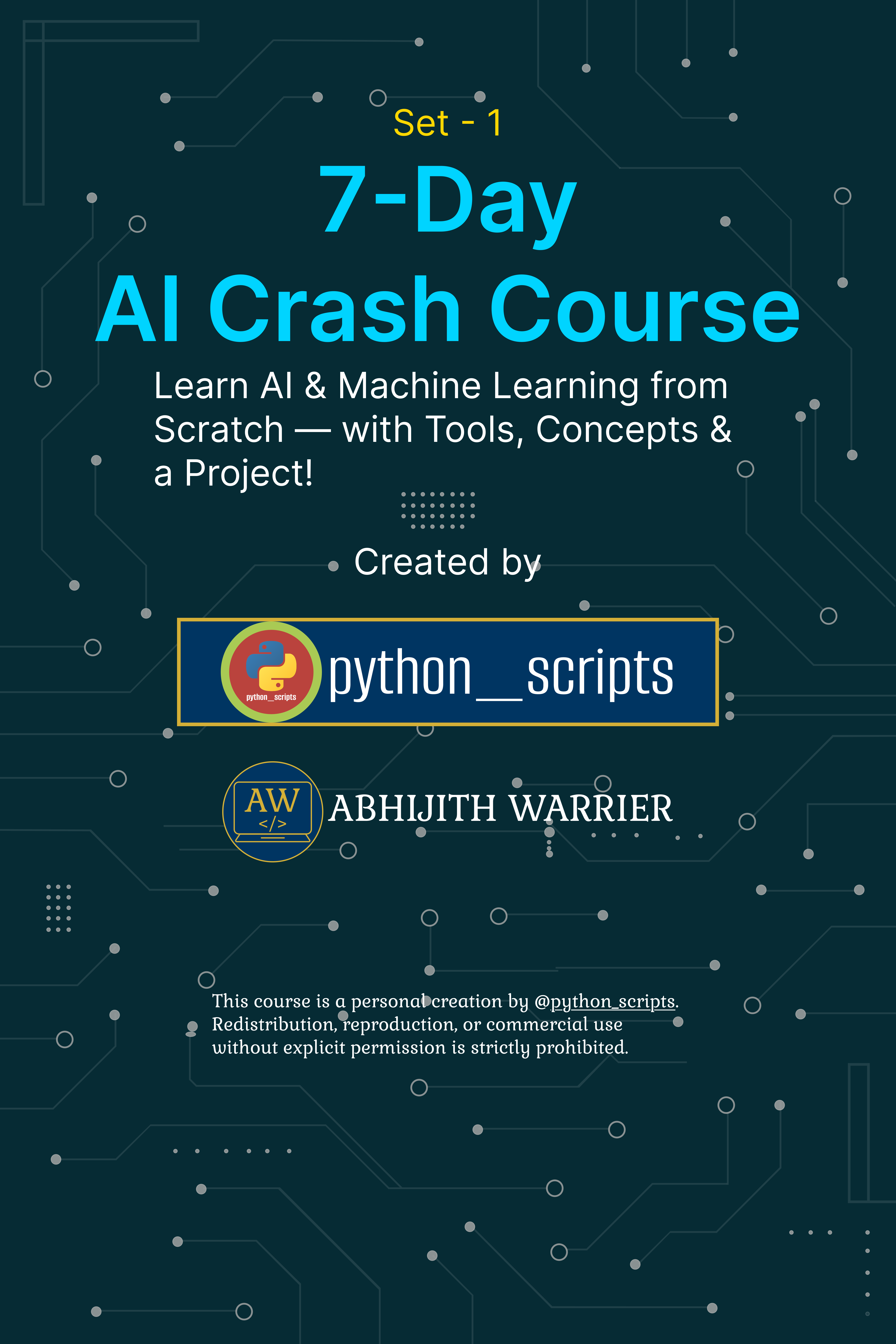
7-Day AI Crash Course
Learn how AI works, explore real-world examples, and build your first smart models step-by-step.
Perfect for beginners, students, and tech enthusiasts ready to start their AI journey.
No comments yet. Be the first to comment!